
A Windows Server migration can look like a file copying project, but the files are usually only one part of the job. Servers may provide shared folders, scheduled tasks, application dependencies, permissions, DNS references, service accounts, printers, scripts, and network paths that employees use every day. Moving data before understanding those dependencies creates unnecessary risk. A safer migration begins with discovery and planning long before the first transfer starts.
Define Why the Server Is Moving
The migration should begin with a clear reason. The existing hardware may be reaching end of life, the operating system may be outdated, storage may be insufficient, or the business may be consolidating workloads onto new infrastructure.
The reason influences the migration design. A simple hardware replacement is different from moving workloads into a new network, changing domains, or restructuring storage at the same time. Combining too many unrelated changes can make troubleshooting far more difficult.
Inventory the Existing Server
Before selecting windows migration services, document the source environment. Record server name, IP configuration, operating system version, installed roles, storage volumes, shares, applications, scheduled tasks, services, and important network connections.
The inventory should also identify who uses the server and which business processes depend on it. Technical administrators may know which folders exist without knowing that a particular department relies on one of those shares every morning.
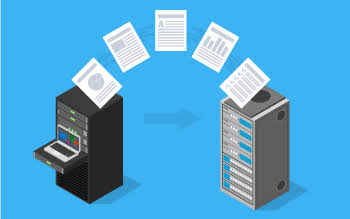
Map Shared Folders and Permissions
File servers often contain years of permission changes. Some folders inherit access from parent directories, while others contain custom NTFS permissions. Share permissions may add another layer.
Document important shares, share names, UNC paths, and access control before migration. The project should know which permissions need to remain identical and whether any outdated groups or accounts should be cleaned up separately.
Measure Data Volume and Growth
Storage capacity planning should include the amount of data currently used, available space, growth rate, and any temporary space required during migration.
Different storage migration tools may handle transfers efficiently, but the destination still needs enough capacity for existing files, expected growth, snapshots, backups, and operational overhead.
Identify Applications and Services
A server may look like a file server but also host small utilities, license services, scheduled scripts, print services, or business applications that nobody included in the migration request.
Review installed software and running services. Speak with application owners before assuming a component can simply be copied.
Check Network Dependencies
Users and applications may connect through server names, IP addresses, DNS aliases, mapped drives, shortcuts, or hardcoded paths. Document these references.
If the destination will keep the old server identity, the cutover process needs to account for that safely. If the name changes, every dependent system and user path needs to be updated.
Plan the Transfer Method
Different migrations require different tools. Storage Migration Service may be appropriate for supported Windows Server scenarios where inventory, data transfer, and identity cutover are useful. Robocopy may be appropriate for controlled file copies when administrators want direct command level control.
The tool should match the migration design rather than determine it.
Create a First Copy and Final Synchronization Strategy
Large file servers are often easier to migrate in stages. An initial copy can transfer most data while users continue working. Later, a shorter final synchronization captures the changes made since the first copy.
This reduces downtime because the cutover window does not need to copy every file from zero.
Define the Downtime Window
The business should know when writes will stop, when the final transfer begins, when the old server identity changes, and when users are expected to regain access.
A migration technically completing at 3 a.m. is not enough if nobody verifies that applications and shares work before employees arrive at 8 a.m.
Build a Rollback Plan
Administrators should decide what conditions would trigger rollback. The old server should normally remain available and unchanged enough to return to service during the early cutover period.
Rollback steps should be written before migration night. Decisions become harder under pressure when users are already unable to access important files.
Test Before Production Cutover
Where possible, test the process using a smaller dataset or noncritical share. Verify permissions, file attributes, path handling, throughput, and destination behavior.
A rehearsal often reveals firewall rules, account permissions, or storage issues that would otherwise appear during the real migration.
Communicate With Users
Employees should know the expected outage, when they need to close files, and who to contact after the migration. Users can also help identify critical paths that administrators overlooked.
Communication reduces the risk of someone leaving an important file open during final synchronization or assuming a temporary outage is an unrelated problem.
Move Data Only After the Migration Story Makes Sense
A well planned Windows Server migration should be understandable before any production data moves. Administrators should know what the source server does, who depends on it, how information will transfer, how identity will change, how success will be tested, and how the team will recover if something goes wrong.
Once those questions are answered, the actual copy becomes one controlled stage in a larger migration process. That preparation is what separates a predictable server move from an overnight troubleshooting exercise.